
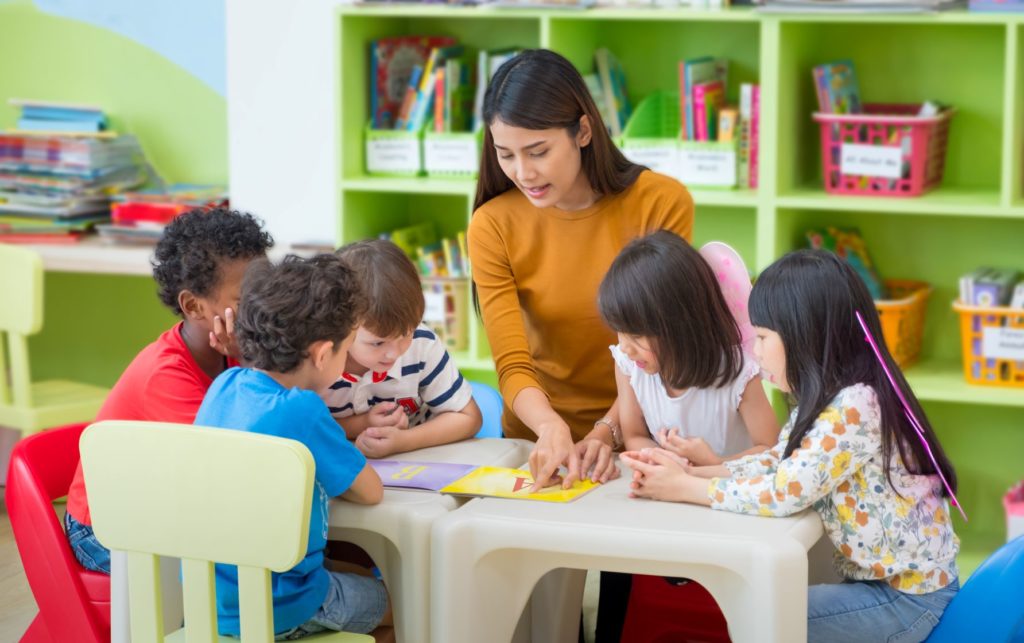
Early childhood is one of the most important stages in a child’s life. During these early years, children develop the foundations for learning, behavior, emotional well-being, and social skills. The experiences children have at this stage play a major role in shaping their future success.
Early childhood education provides children with a structured, caring, and stimulating environment where they can grow, learn, and build confidence. It supports not only academic readiness but also emotional and social development.
Understanding Early Childhood Development
Early childhood education focuses on more than reading and writing. It supports the overall development of a child’s mind and personality.
At this stage, children develop:
- Language and communication skills
- Social interaction and cooperation
- Emotional understanding and self-control
- Problem-solving and thinking abilities
- Confidence and independence
A strong early foundation helps children adapt more easily to formal schooling.
1. Builds Strong Learning Foundations
Early education introduces children to basic concepts in a simple and engaging way. This helps children develop a natural interest in learning.
Through early education, children:
- Learn how to listen and follow instructions
- Develop early reading and numeracy skills
- Build curiosity and attention span
- Become comfortable in a learning environment
These foundations make future learning easier and more effective.
2. Supports Emotional and Social Growth
Children learn how to interact with others during early education. Being in a group setting helps them understand sharing, cooperation, and respect.
Early education helps children:
- Express emotions appropriately
- Build friendships and social confidence
- Learn patience and teamwork
- Develop empathy and understanding
These skills are essential for healthy relationships in school and beyond.
3. Encourages Confidence and Independence
A supportive early education environment helps children gain confidence. Simple daily tasks encourage independence and decision-making.
Children learn to:
- Take responsibility for small tasks
- Make simple choices
- Try new activities without fear
- Trust their abilities
Confidence built at an early age positively impacts future academic performance.
4. Improves Communication Skills
Early childhood education focuses strongly on language development. Regular interaction with teachers and classmates helps children improve communication skills.
Children benefit by:
- Expanding vocabulary
- Improving listening skills
- Learning to express ideas clearly
- Developing early reading readiness
Strong communication skills support success in all areas of learning.
5. Prepares Children for Formal Schooling
Children who attend early education programs often adjust more easily to primary school. They are familiar with classroom routines and expectations.
Early education prepares children by:
- Introducing structured learning
- Teaching classroom discipline
- Building familiarity with school routines
- Reducing anxiety about new environments
This smooth transition helps children feel confident and ready to learn.
The Role of Parents and Schools Together
Parents and schools both play an important role in early childhood education. When parents stay involved and schools provide guidance, children receive consistent support.
Parents can support early learning by:
- Encouraging curiosity at home
- Communicating with teachers
- Reinforcing positive habits
- Supporting learning through play
This partnership strengthens a child’s overall development.
Conclusion
Early childhood education lays the foundation for lifelong learning and success. By supporting academic, emotional, and social growth, it helps children develop confidence, curiosity, and essential life skills.
Investing in early education means investing in a child’s brighter and more successful future.
Hello This is test comment